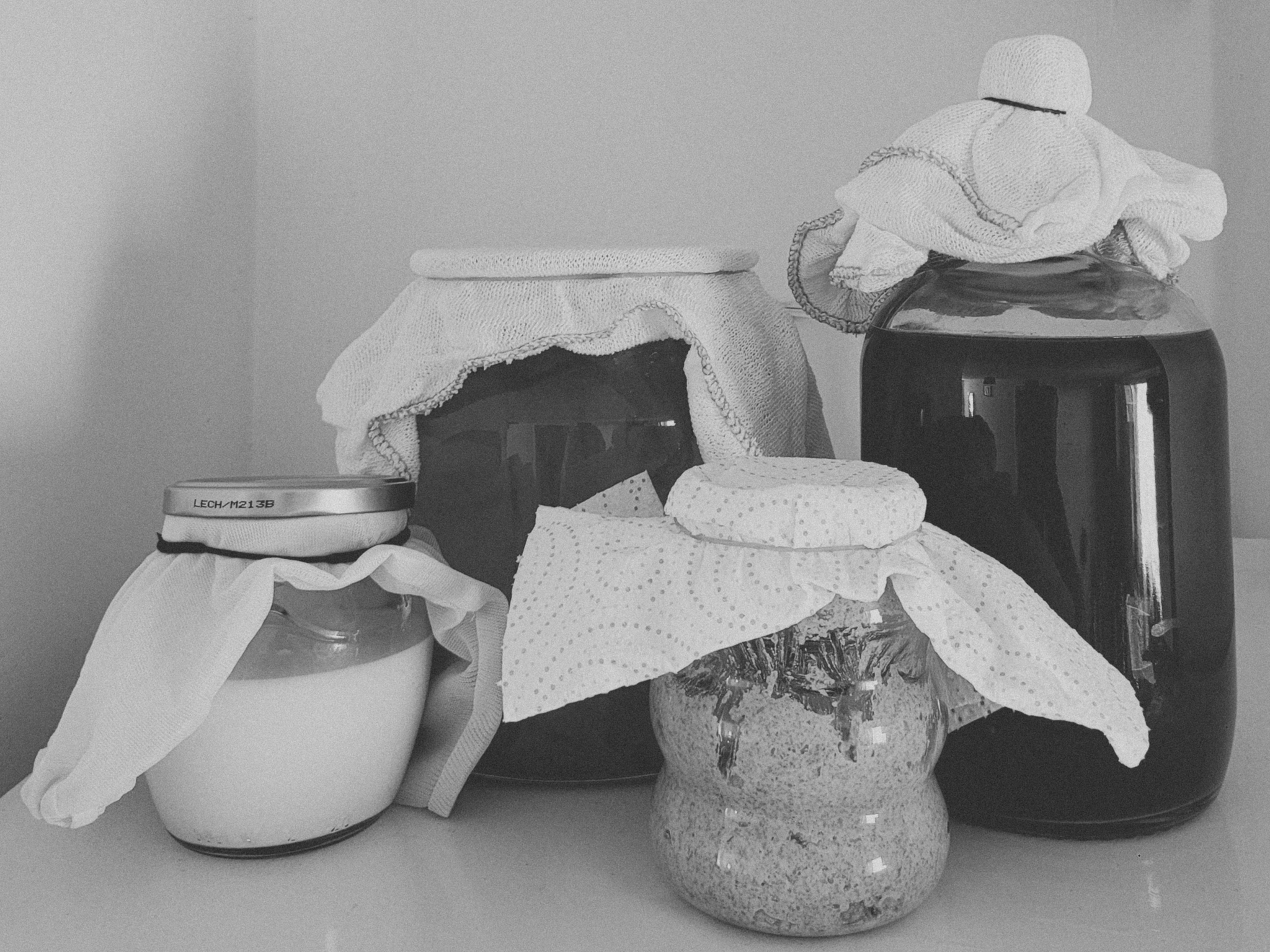
 The Ryė Cellar
THE STORY BEHIND THE RYĖ CELLAR
Built on Curiosity, Not Just Nostalgia
Growing up in Lithuania, kvass was never anything special. We drank it at home every day. You could buy it from any local shop, but many families also made their own, each with a slightly different recipe. It wasn’t craft, it was simply part of life.
Moving to Scotland gave me distance from that familiarity. With distance came questions. What happens when I use darker rye bread? What if I toasted the bread for a little longer? Does different fermentation time improve the flavour, or just change it? Which sugars make better carbonation, which ones add character? How does yeast culture change the flavour?
The Ryė Cellar is where I explore those questions, one batch at a time. Some experiments work. Some don’t. This is where I share these experiments and, hopefully, introduce you to the world of kvass.
What is Kvass?
Kvass is a fermented drink made from bread, water, sugar and yeast. Made in home kitchens across Slavic countries, commonly sold in markets and shops. The alcohol content typically sits below 1%, although depends on what kind of yeast is used.
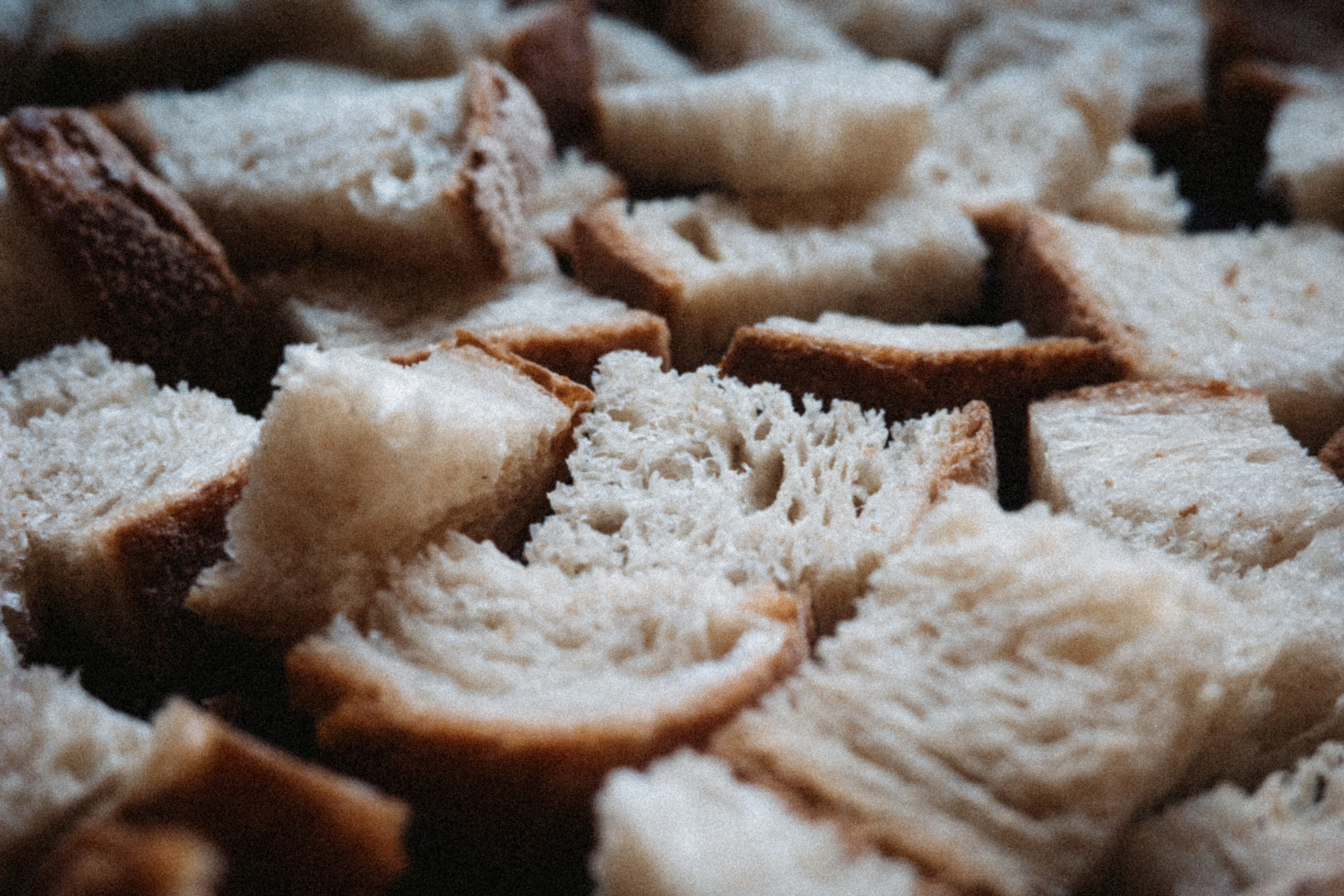
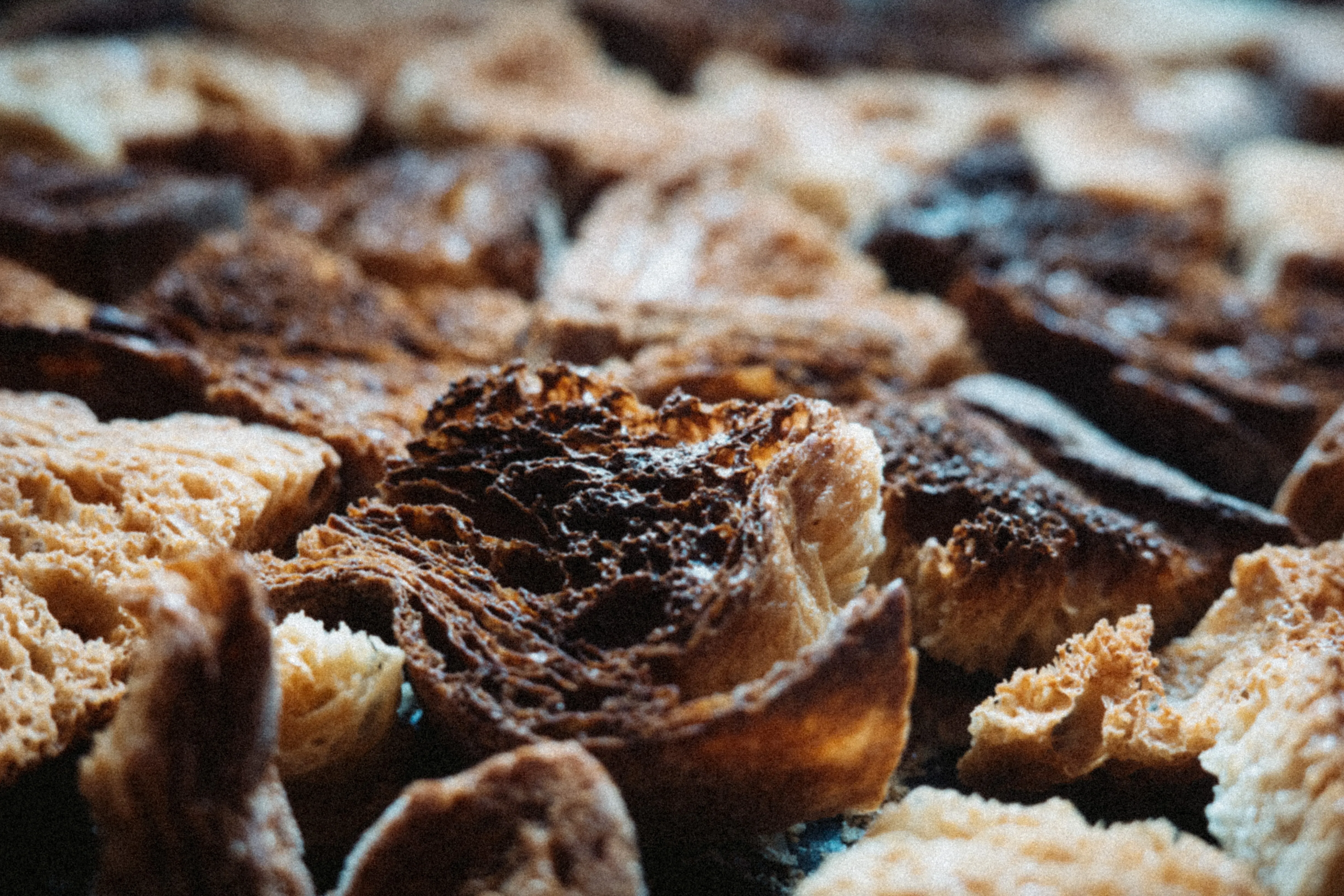
The flavour comes directly from the bread. Dark-roasted rye gives depth, a slight bitterness, and a dry finish. Lighter bread produces something cleaner and more subtle. In either case you get a mild sourness from the fermentation, a faint sweetness that drops the longer it’s left to ferment, and an earthiness that’s difficult to compare to anything else. It doesn’t taste like beer, though people often reach for that comparison, and often use it as low alcohol beer replacement.
The fermentation is driven by yeasts. A fresh batch has active cultures still working in it, which is why it tastes different on day one versus day three: the acidity builds, the sweetness fades. This is not a problem. It’s just how it works.
Making a basic batch is genuinely simple. Toast your bread dry and to desired colour, steep it in near-boiling water, strain it, add sugar and yeast to kick off the ferment, and leave it somewhere warm. Once first fermentation is complete, it's time to bottle and leave for second fermentation, and it's ready to be enjoyed cold. But the interesting part comes when flavourings are added. Namely, dried berries or fruits, spices, tea, or whatever people find appropriate to their taste.
Recipes are on their way, this section is still being put together.
My plan is to create a free PDF recipe book covering the basics — proper foundational kvass, process notes, and a handful of tested recipes for anyone starting from scratch.
Then, a separate collection of experimental recipes for more ambitious ferments: extended methods, bread combinations, seasonal ingredients, and techniques that push further from the traditional.